How to Choose the Right Lighting Design to Transform Your Space Feb 10, 2026
Begin your lighting design journey by evaluating the purpose of each room. Different spaces require varied lighting solutions to enhance their specific functions. In the kitchen, for instance, you need a combination of ambient, task, and accent lighting. Ambient lighting provides general illumination, task lighting focuses on work areas such as countertops and islands, while accent lighting highlights specific features like a beautiful backsplash.
Consider the mood you want to set in each space. Living rooms and bedrooms benefit from warm, soft lighting that fosters relaxation, whereas rooms like the home office might require brighter lights that facilitate concentration. Dimmer switches are invaluable here, offering flexibility to adjust light levels according to different activities and times of the day.
Next, think about the style and decor of your home. Light fixtures are not merely functional; they are an integral part of your interior design. For a modern space, sleek, minimalistic fixtures may work best. If your home leans towards a traditional vibe, opt for elegant chandeliers or vintage-inspired lamps. Remember that scale is essential; oversized fixtures can overwhelm a small room, while undersized lights may go unnoticed in larger spaces.
Energy efficiency is another crucial factor to consider in your lighting design. LED bulbs have become the preferred choice for many homeowners due to their longevity and low energy consumption. Beyond saving on electricity bills, choosing eco-friendly lighting options can significantly reduce your carbon footprint, aligning with sustainable living goals.
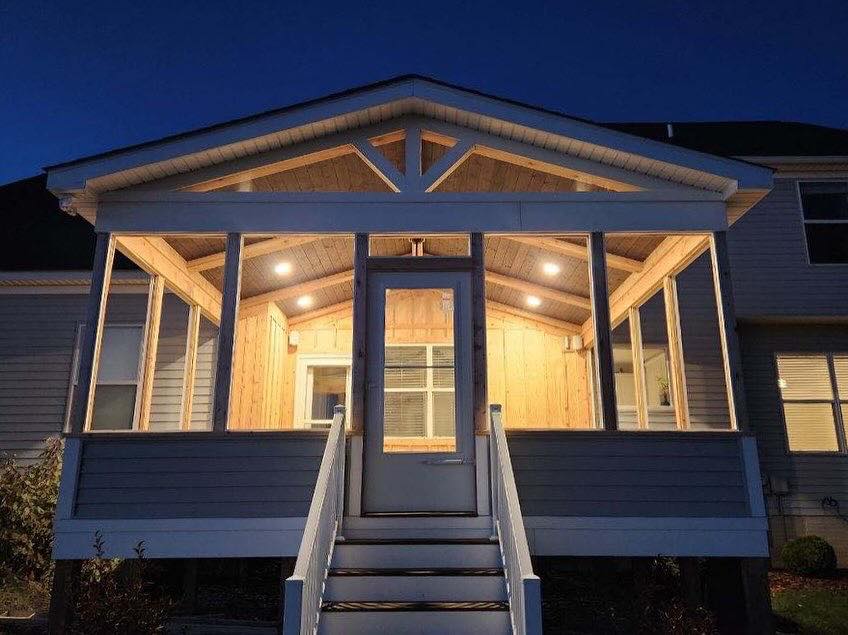
Lighting placement is key to optimizing a space's functionality and aesthetic appeal. Recessed lighting can create even, distributed light, ideal for high-traffic areas like hallways and kitchens. In contrast, table and floor lamps provide targeted lighting and can be easily repositioned to suit changing needs. Always aim for a layered lighting approach, combining different sources and levels to create depth and interest within a room.
Customization is where lighting design truly shines. Using smart lighting technology, you can control lights remotely or automate settings according to your daily routine. For example, you can program lights to brighten gradually in the morning or dim as bedtime approaches, enhancing both convenience and comfort.
As you explore different designs, don’t hesitate to consult with professional electricians like those at Magers Home Services. They can offer expert advice and ensure your lighting solutions are safely and effectively implemented.
To conclude, selecting the right lighting design involves balancing functionality, style, and energy efficiency. By following these guidelines, you can transform your home into a space that not only looks beautiful but also enhances your lifestyle. At Magers Home Services, we are eager to assist you in lighting up your home, offering tailored solutions that reflect your personality and meet your specific needs. Let us help you illuminate your world, one light bulb at a time.
/filters:no_upscale()/filters:format(webp)/media/b4ca700c-3e1a-46fa-8099-a8f5006a7e56.jpeg)